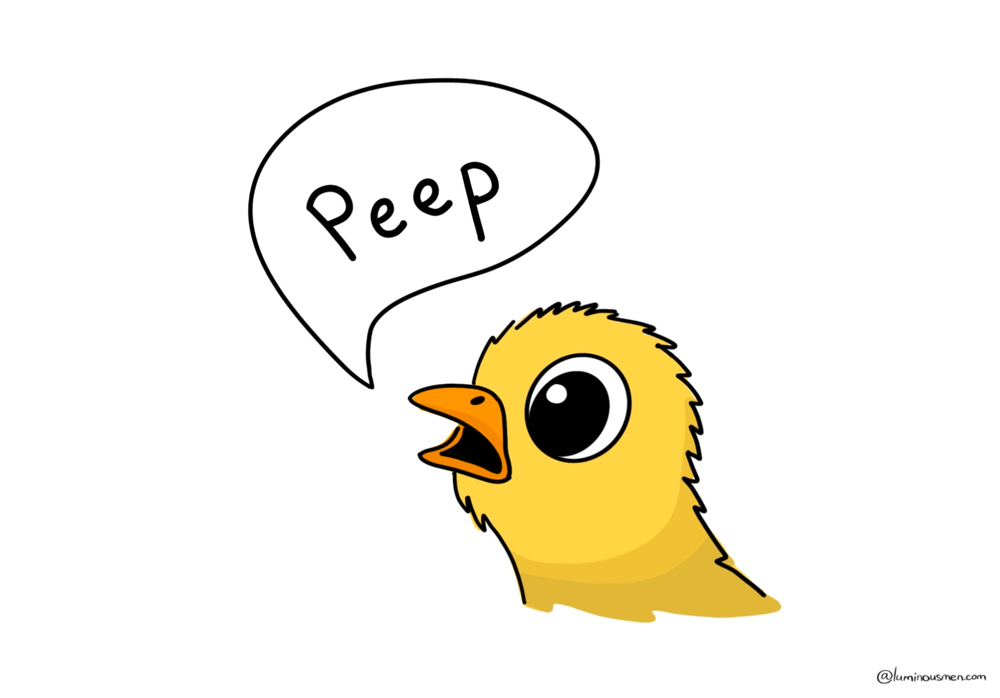
Some time ago, I came across a strange little note about turkeys. Turns out, these birds are surprisingly caring mothers — they keep their chicks warm, lead them to food, and guard them from danger. But behind all that touching maternal affection hides one disturbing mechanism: turkeys only care for chicks that make noise.
Peeping — that's the one and only trigger for their maternal instinct. Neither scent nor appearance matters. Only sound. If the chick peeps — it gets attention. If it stays silent — it might not just be ignored, but accidentally killed. Literally.
Creepy, right? I guess that's life. But if you think about it, there's something painfully familiar in all of this.
Good Work, by default, is Invisible
We all want to be noticed. We want to be valued. We want to feel indispensable. We want our manager to say, "you're critical to this team", or for our teammates to glance at each other and whisper, "we'd be screwed without him". We don't want to grovel through performance reviews and self-marketing campaigns trying to justify a raise or promotion. But how often does that kind of recognition happen on its own?
I think you already know the answer — almost never.
I used to think that hard work spoke for itself. That if I fixed bugs, shipped features, cleaned up tech debt, mentored junior devs, and didn't burn down prod — someday would be noticed: "We've seen what you've done! Here's your promotion. You deserve it!"
Unfortunately, no one sees anything. To be specific, nobody actually cares.
You can be an outstanding engineer, but if no one knows about your wins, it's like they never happened.
Good work, by default, is invisible.
And yeah, that's unfair. But it's also the reality.
It's like cleaning a toilet. Absolutely essential — but no one claps when you're done.
Imposter Syndrome Starts with Silence
The human brain is a weird machine. It's absolutely terrible at retaining information. You can work day and night, give 200% to your work, and then look back a year later and think, "Where the hell did all that go?"
Picture your average software engineer (this was actually me a couple of years back) — you sit at your desk, write code, squash bugs, and push Jira tickets from "To Do" to "Done". Deadlines are met. Everything's fine. Then comes performance review time — the dreaded question, "why should we pay you more?" And your mind goes blank. At best you think, "Well, I work hard." At worst — a light panic attack.
That moment isn't just awkward — it's a symptom.
We engineers love to believe that good work will shine on its own. But the truth is, it doesn't. It just sits there. Silent. And in that silence, impostor syndrome creeps in — that little voice that whispers "You haven't really done anything special". And you believe it. You tell yourself that all those years of effort were just routine. Nothing worth bragging about.
But here's the thing — you've done way more than you think. You just never got used to talking about it.
Even worse, we forget. That's what we do. Our brains aren't archives — they discard the details, especially if you don't make a habit of recording them.
We all want to believe in meritocracy. That
Talent + Effort = Recognition
But in reality, the formula is a bit different:
Visibility × Perceived Value = Recognition
There Are No Small Wins
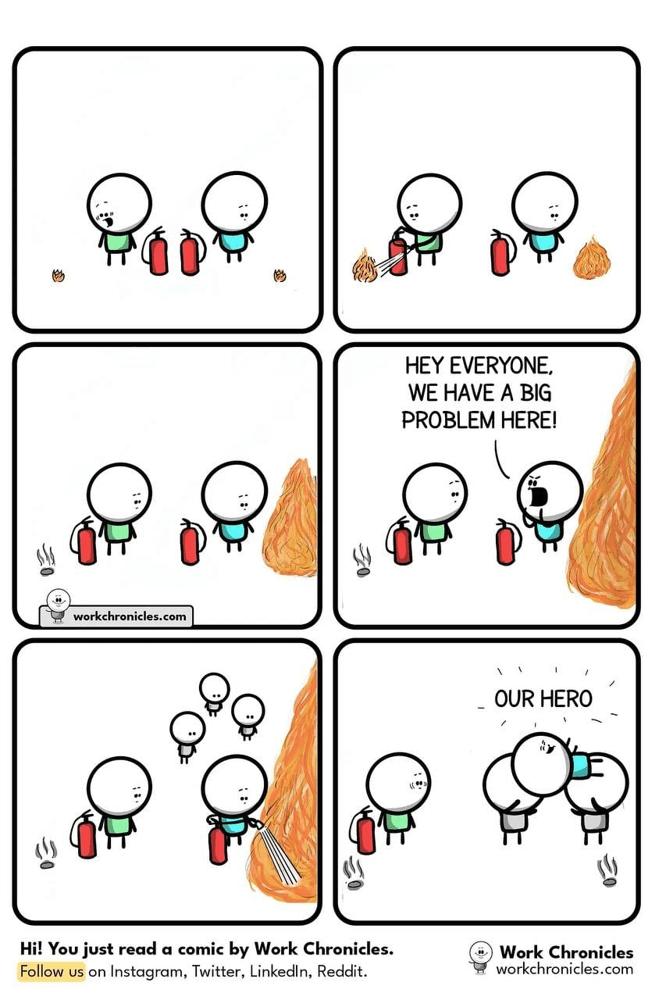
I once read a piece on Digestible Deming about "firefighting" at work. The author pointed out something very accurate. When you rush in and heroically patch a crisis, everyone notices. You get praise. You're the savior. But when you spend weeks improving the system so that fires don't happen in the first place — no one bats an eye. Nothing broke, after all. There's no applause for prevention.
Unfair? Absolutely. But also? True.
In our industry, putting out fires is flashy — everyone sees it. Everyone claps at the end.
But preventing fires? That's boring. Nobody celebrates the fact that you built monitoring that stopped production from going down on a Friday night.
Over time, I started realizing — there are no small wins. What seems like a tiny fix to you might be someone else's lifeline.
People remember the stuff that saves them time. That kind of impact sticks.
Managers Aren't Mind Readers
If you don't remember what you did, how is your manager supposed to?
Your manager doesn't live inside your head. They don't know how much effort you put into that automation you "just did". They didn't see the three times you quietly saved production at 2 AM. They might remember that you're dependable and "easy to work with". But guess what? Promotions don't go to the most reliable. They go to the most visible.
To grow, to get recognized, you need to make your impact measurable, understandable, and undeniable. That means one important thing: bring the receipts. Create a literal document of your accomplishments, so when performance review season rolls around, your manager isn't guessing — they're just opening a file and saying, "Oh wow. Got it. This is solid."
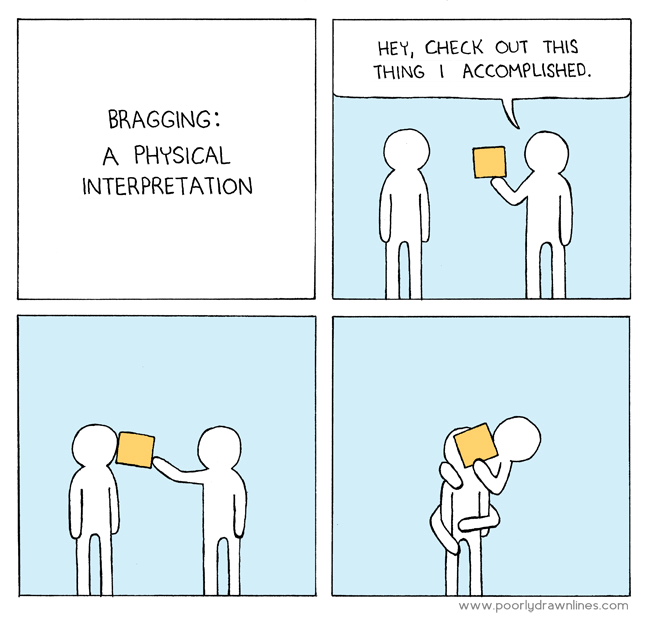
Brag Document
Create a brag doc aka "combat achievement journal" or whatever you want to call it.
This isn't a resume. It's not even a tracker. It's your personal archive of how you're growing, moving the project forward, and helping the team grow and influencing the product.
Use Notion if you like. Or Google Docs. Whatever. The key is to do it regularly. Once a week, perhaps on Friday evening, instead of doomscrolling TikTok ask yourself, "What awesome thing did I do this week?"
Some example categories:
- Process improvements
- Optimizations
- Reviews that helped others
- Documentation
- Hidden issues you found and fixed
- Anything that improves developer experience
- Initiatives beyond your direct responsibilities

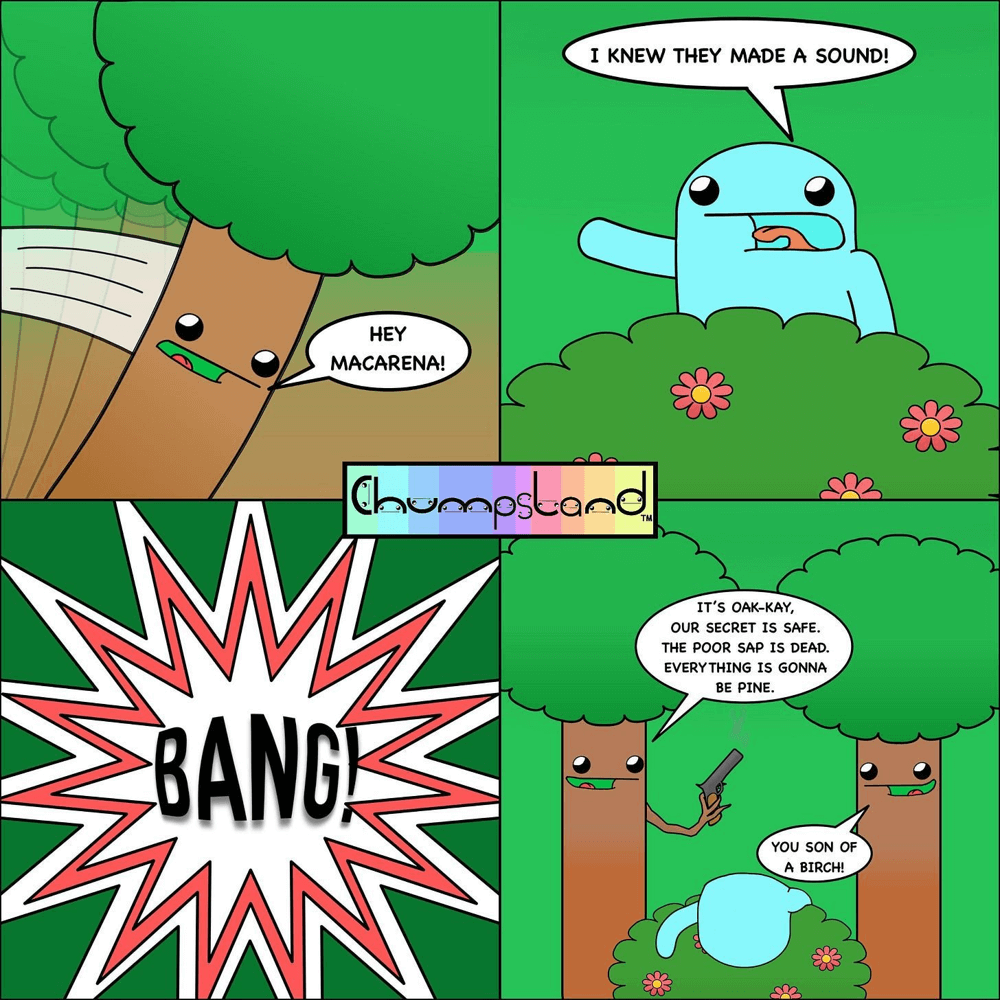
If a tree falls in the forest, does it make a sound?
Writing a brag document isn't narcissism. It's not about swaggering into meetings like a tech cowboy shouting "LOOK WHAT I DID!". It's about not disappearing. It's about refusing to let your impact fade into the ether just because you're not shouting into the Slack void every day.
Think of it this way:
- If you're doing valuable work and no one sees it, does it even count?
- Does your deploy count if no one knows it reduced release time by 30%?
- Does your initiative matter if it's filed away in your private Notion?
- Does your mentorship session exist if the mentee gets the praise and your name never gets mentioned?
We're not here to build secret monuments. We're here to be seen doing the work — and help others see us clearly, too. (Help others with that as well — because once you start doing this, you'll notice something: your teammates are also quietly crushing it. They're shipping good work before they spark — but no one's talking about it)
So how do you make it work for you, week after week, without it turning into just another abandoned productivity tool? Let's talk about building a feedback loop.
Build a Feedback Loop
Creating a brag doc is important because assessing yourself over the course of a year is brutally hard. Your brain forgets, distorts, focuses on failures. But a document? That's just facts. And when your colleagues give you feedback, they won't remember everything either. But you can help them and yourself.

Start sharing parts of your brag doc with your manager. Bring up key points during 1:1s. Ask for feedback. Reflect that feedback in your doc.
Managers love this stuff too. It's easier for them to justify your promotion or raise when they have specifics. And trust me — when your manager sees this doc? They'll thank you. You just made their job a hundred times easier.
This turns your document into a living tool. You're not just documenting — you're shaping your own trajectory. You're no longer a passive doer — you're an active owner of your own career. You're making it easier for your manager to advocate for you, and drawing their attention to your impact.
The real value of a brag doc isn't just raises or titles. It's clarity. Over time, you'll learn what kind of work energizes you. What you're drawn to. Where your strengths or weaknesses lie. What kind of teammate you are.
You might discover you're a systems' builder. Or the glue person. Or the one who always fixes annoying legacy bugs. We are people and clarity gives us a lot of self-confidence, sanity, self-worth and importance.
Wrapping It Up
There's a trap in engineering: The better you get, the less people notice. Because your work often prevents problems before they happen. Because your solutions are elegant, not flashy. Because everything just works. Because you help and spotlight people who sit on your shoulders. Hence, the better you do, the more your impact becomes more invisible.
And that's dangerous. Because quiet engineers don't get promoted. Quiet engineers don't get raises. Quiet engineers burn out and quit.
So yes, talking about yourself might feel weird. It might feel like a performance. But if you don't do it — who will?
So what do you do? You make noise. You make sure the people around you — your team, your manager — know what you've done. Otherwise, you're just another quiet little turkey chick that didn't chirp loud enough — and got ignored by mama bird.
A brag doc isn't a resume. It's a mirror. Build it. Use it. Grow from it.
Go little chick, go.